eSIM
eSIM vs Physical SIM: Which Is Better For Travel?
Physical SIM cards still work, but eSIMs are becoming the cleaner option for modern travel connectivity.
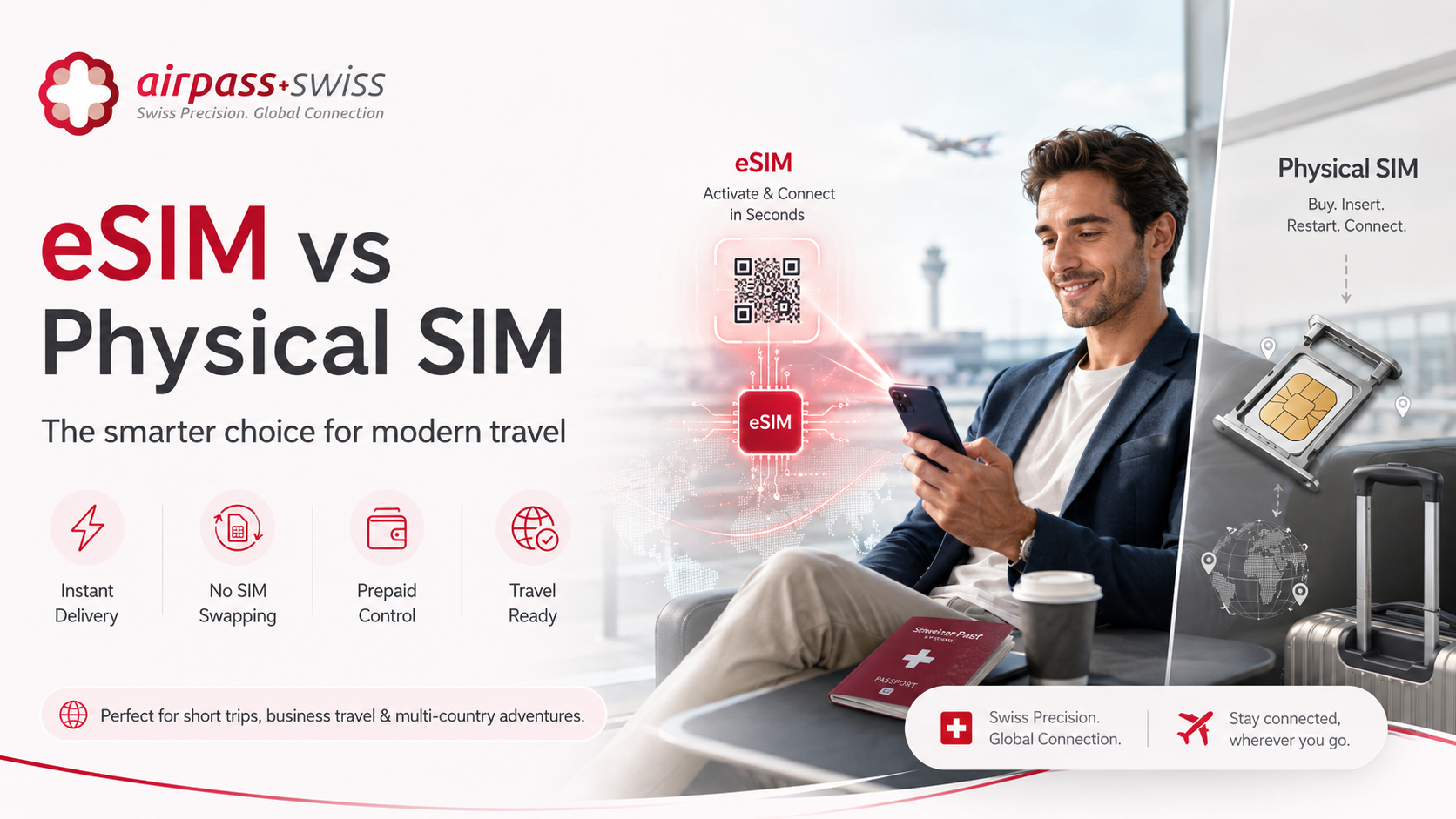
For years, travelers bought physical SIM cards after arriving in a new country. It worked, but it also meant finding a shop, showing documents in some markets, changing SIM cards, and keeping track of tiny plastic cards while traveling.
eSIMs make the process more digital and more convenient.
What is the difference?
A physical SIM is a small card inserted into your phone. An eSIM is built into compatible devices and can be activated digitally using a QR code or installation link.
Both can connect your phone to a mobile network, but the installation experience is very different.
Why travelers prefer eSIMs
Travel eSIMs can be purchased before departure and delivered instantly. That means you can prepare your mobile data before arriving in the destination country.
You also avoid swapping SIM cards, losing your home SIM, or searching for a mobile shop after a long flight.
When a physical SIM still makes sense
A physical SIM can still be useful for older phones that do not support eSIM, long-term local contracts, or travelers who need a very specific local plan.
But for short trips, business travel, and multi-country travel, eSIMs are usually faster and easier.
The best option for modern travel
If your phone supports eSIM and your plan covers your destination, a travel eSIM is often the cleaner choice. It gives you fast delivery, predictable pricing, and a simpler setup before the trip starts.